
Published June 10, 2024
Honoring Tradition: Exploring the Day of the Dead Celebration in Mexico

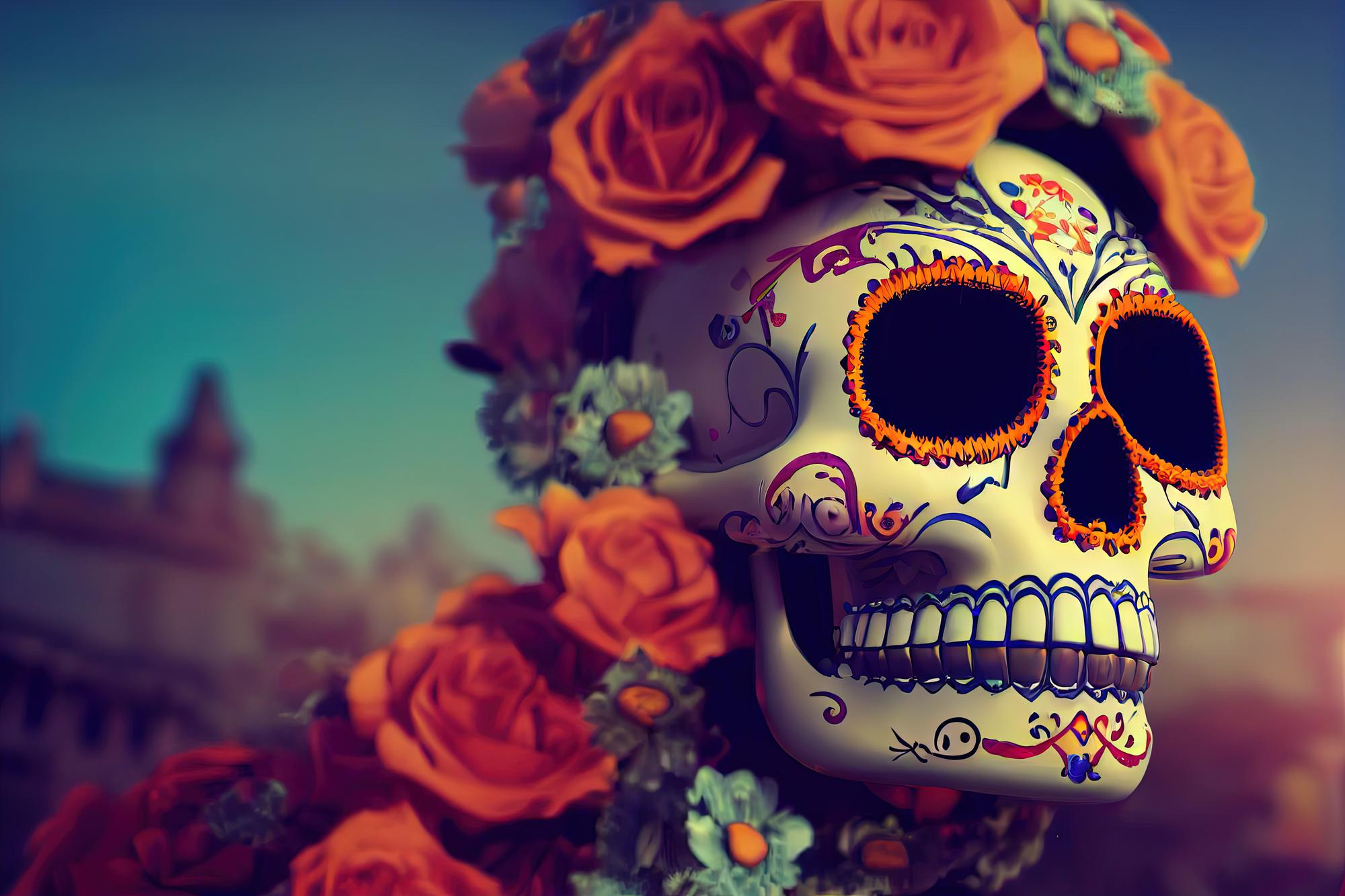
The Day of the Dead, or Dia de los Muertos, is a vibrant and deeply meaningful celebration that takes place throughout Mexico each year. Rooted in ancient indigenous traditions and blended with Catholic influences, this multi-day festival is a colorful and joyous occasion that honors the memory of loved ones who have passed away. Join us as we delve into the rich cultural significance and heartwarming customs of the Day of the Dead celebration in Mexico.
1. A Celebration of Life and Death:
Contrary to its name, the Day of the Dead is not a somber occasion but rather a lively celebration of life and death. It is believed that during this time, the spirits of departed loved ones return to the earthly realm to reunite with their families and loved ones. Rather than mourning their loss, the Day of the Dead is an opportunity for families to celebrate the memory of their ancestors and cherish the time they shared together.
2. Intricate Altars and Offerings:
At the heart of the Day of the Dead celebration are the elaborate altars, or ofrendas, created by families to honor their deceased relatives. These altars are adorned with vibrant marigold flowers, candles, incense, and photographs of the departed. They are also decorated with offerings of the deceased's favorite foods, drinks, and personal belongings, symbolizing the continuation of their spiritual journey and the importance of remembrance.
3. Colorful Calaveras and Catrinas:
One of the most iconic symbols of the Day of the Dead celebration is the calavera, or skull, which is often depicted in colorful artwork, sugar skulls, and face paint. Another beloved figure is La Catrina, a skeletal figure dressed in elegant attire, who has become a symbol of the festival. These playful and whimsical representations of death serve as a reminder of the cyclical nature of life and the importance of embracing both its joys and sorrows.
4. Festive Parades and Celebrations:
Throughout Mexico, the Day of the Dead is marked by festive parades, processions, and celebrations that bring communities together in a spirit of joy and camaraderie. These lively events feature music, dancing, costumes, and street performances, creating an atmosphere of merriment and celebration that permeates the streets and squares of towns and cities across the country.
5. Meaningful Traditions and Family Bonding:
The Day of the Dead celebration is deeply rooted in meaningful traditions that foster strong bonds within families and communities. From the creation of ofrendas and the sharing of stories and memories to the preparation of traditional foods and the visiting of gravesites, these customs serve to honor the memory of loved ones and reinforce the importance of family and cultural heritage.
6. UNESCO Intangible Cultural Heritage:
In 2008, UNESCO recognized the significance of the Day of the Dead celebration by inscribing it on the Representative List of the Intangible Cultural Heritage of Humanity. This designation highlights the importance of preserving and promoting this cherished tradition, ensuring that future generations can continue to experience its beauty and significance for years to come.
7. Embracing Life and Death with Joy:
Ultimately, the Day of the Dead celebration is a testament to the resilience of the human spirit and the power of love and remembrance to transcend the boundaries between life and death. By embracing both the joyous and the sorrowful aspects of existence, the Day of the Dead reminds us to cherish the present moment, honor the past, and celebrate the eternal bonds that connect us to our loved ones, both in this world and beyond.
In conclusion, the Day of the Dead celebration in Mexico is a vibrant and heartfelt tribute to the cycle of life and death, where memories are cherished, spirits are honored, and love prevails. Whether you're marveling at the intricate altars, dancing in the streets, or sharing stories with family and friends, the Day of the Dead offers a profound and uplifting experience that celebrates the beauty and resilience of the human spirit.

Freddy Ayotte
Managing Broker | Global Real Estate Mexico
or another way
Weather Data Source: Wetter vorhersage 30 tage